
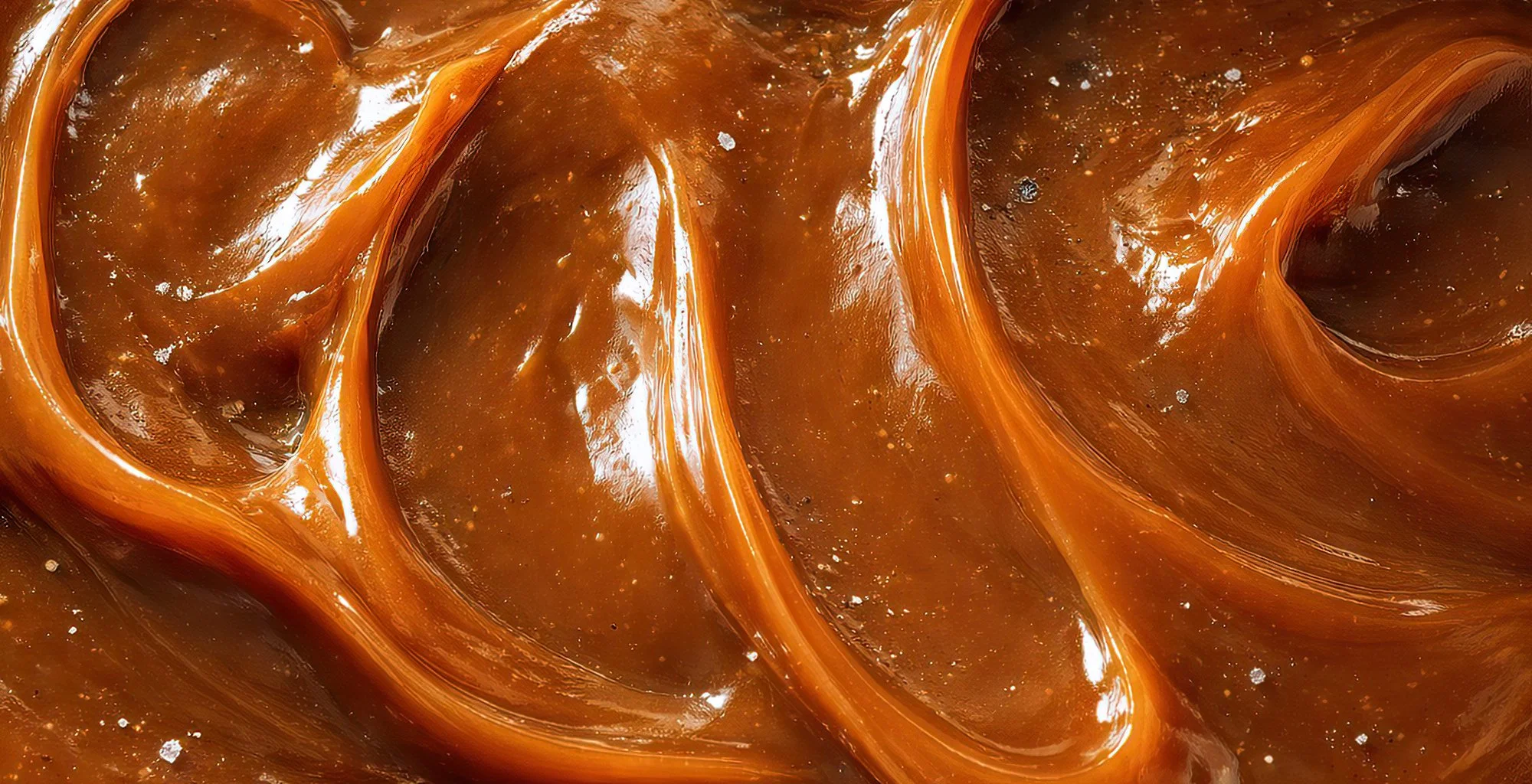
A slow-stretch, glossy caramel designed to slice clean and hold its shape.
This caramel isn’t here to drip down the sides or quietly melt into the background. It has boundaries. It has confidence. It shows up knowing exactly what it’s been cast for.
Think candy-bar center — the kind you actually sink your teeth into. It’s thick and glossy, gives you a gentle stretch when sliced, and still holds a clean edge. No puddles. No mess. No “we’ll fix it in the fridge.” Just a caramel that understands the assignment.
The process is straightforward and intentional. Sugar cooked dry until it tastes properly flavorful, not just sweet. Warm cream whisked in until smooth. A precise final temperature so the texture lands plush, not stiff. Then butter and salt, because shine matters and caramel without salt is just underdressed.
What you end up with is a filling that behaves beautifully without losing its personality. It slices clean, holds its shape, and still feels indulgent.
Basically: candy-bar confidence, with pastry-school credentials.
Candy-Bar–Style Salted Caramel Filling
Yield: about 330–340 g (just over 1 cup)
Note on measurements:
This recipe is developed and tested by weight for accuracy and consistency. Volume measurements are provided as a convenience, but for best results, use a scale.
Ingredients
200 g (1 cup) Granulated sugar
160 g (2/3 cup) Heavy cream, warmed
30 g (1 1/2 Tbsp) Glucose syrup or light corn syrup
60 g (1/4 cup) Unsalted butter, room temperature, cut into pieces
4 g (3/4 tsp) Fine sea salt
1 tsp Vanilla paste or vanilla extract
Method
Caramelize the sugar
Place the sugar in a clean, heavy-bottomed saucepan over medium heat. Allow it to melt and caramelize undisturbed. Do not stir. As the sugar melts, gently swirl the pan occasionally to encourage even cooking. Continue until the caramel reaches a deep amber color.Deglaze with cream
Remove the pan from the heat. Slowly add the warmed cream, whisking the whole time. The mixture will bubble vigorously. Keep whisking until smooth.Add the glucose
Whisk in the glucose or corn syrup until fully incorporated. Return the pan to low heat.Cook to temperature
Cook gently, stirring occasionally, until the caramel reaches 108–109°C (226–228°F) on a digital thermometer. This temperature produces a soft, sliceable, candy-bar-style set.Emulsify with butter
Remove from the heat. Add the butter, stirring fully emulsified. The caramel should look smooth and glossy.Finish with flavor
Stir in the vanilla and salt until fully dissolved and evenly distributed.Cool before using
Allow the caramel to cool to 28–30°C (82–86°F) before using as a filling. At this temperature, it will be thick, glossy, and easy to spread while still holding its shape as it sets.
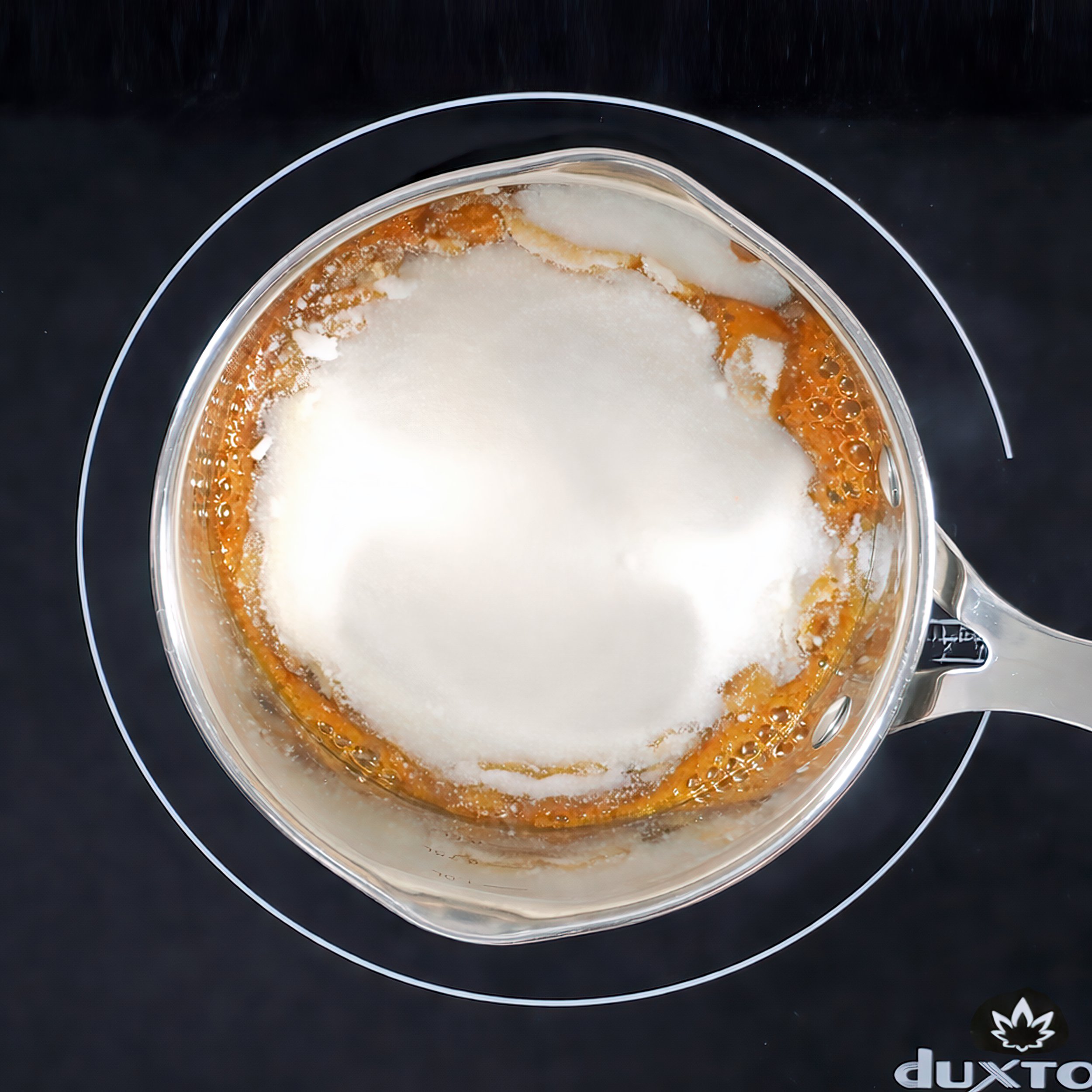
Sugar Begins to Melt
What you’re seeing:
The sugar is just starting to liquefy around the edges, with dry patches still holding their shape in the center.
What to know:
At this stage, leave it alone. Don’t stir. Let heat do the work and gently swirl the pan if needed. The goal is even melting without encouraging crystallization.
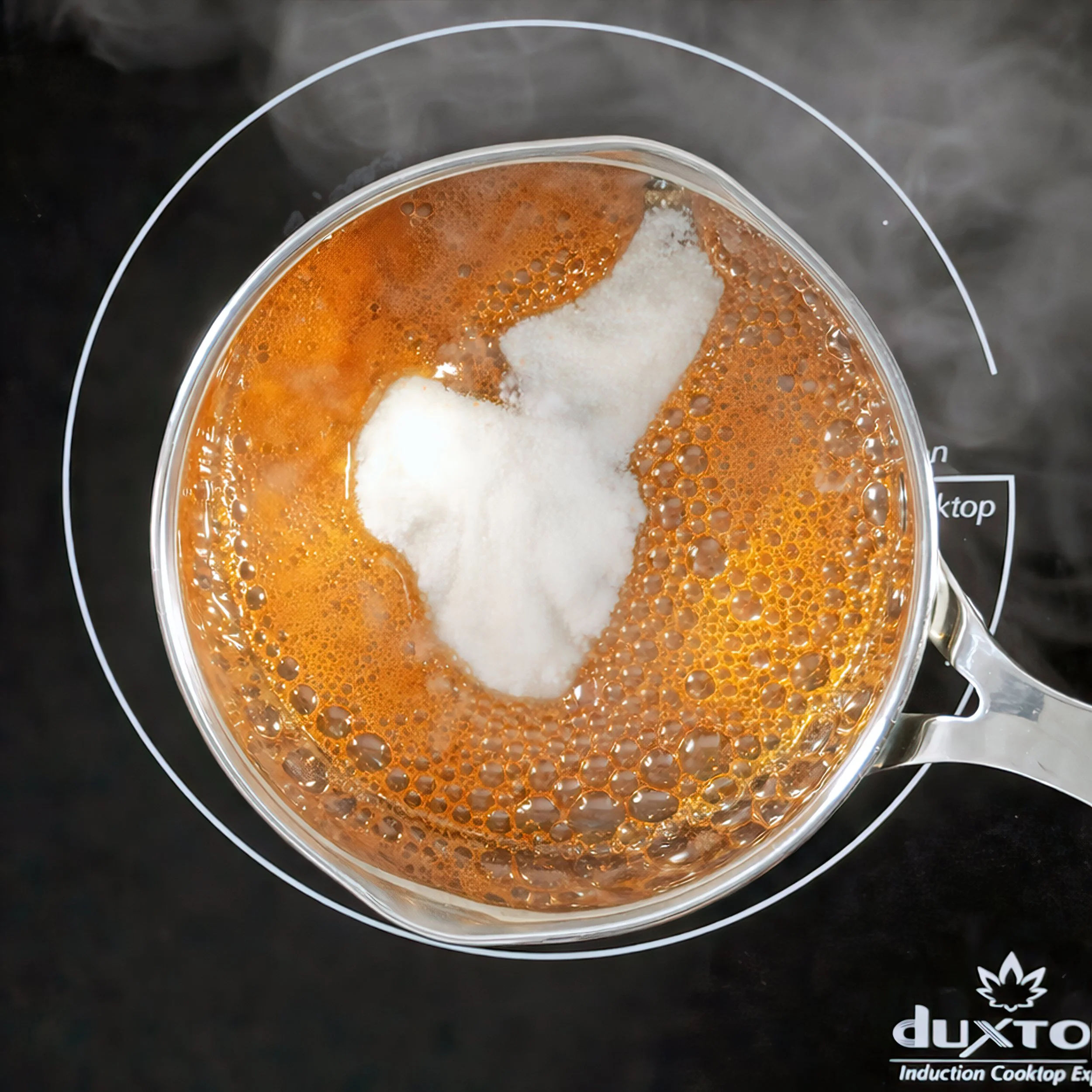
Partial Melt, Light Caramelization
What you’re seeing:
More of the sugar has melted, forming a bubbling amber pool around remaining islands of dry sugar.
What to know:
This is the in-between phase where patience pays off. Keep the heat steady and continue to avoid stirring.
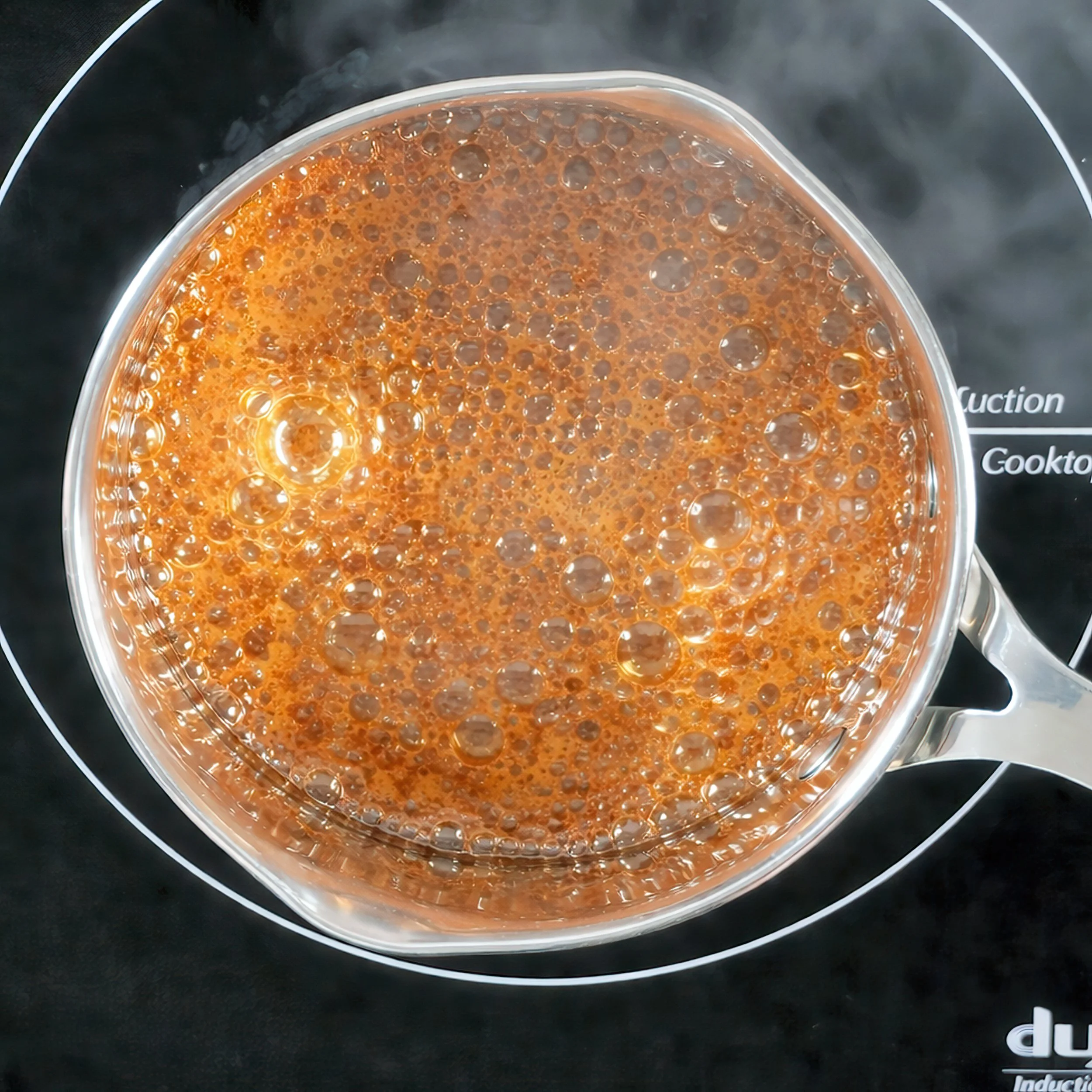
Fully Melted, Deep Amber Caramel
What you’re seeing:
All the sugar has melted into a uniform, bubbling caramel with a rich amber color.
What to know:
This is your cue to move on. The caramel should smell toasted and warm, not sharp or burnt. Once it reaches this color, remove it from the heat immediately to prevent overcooking
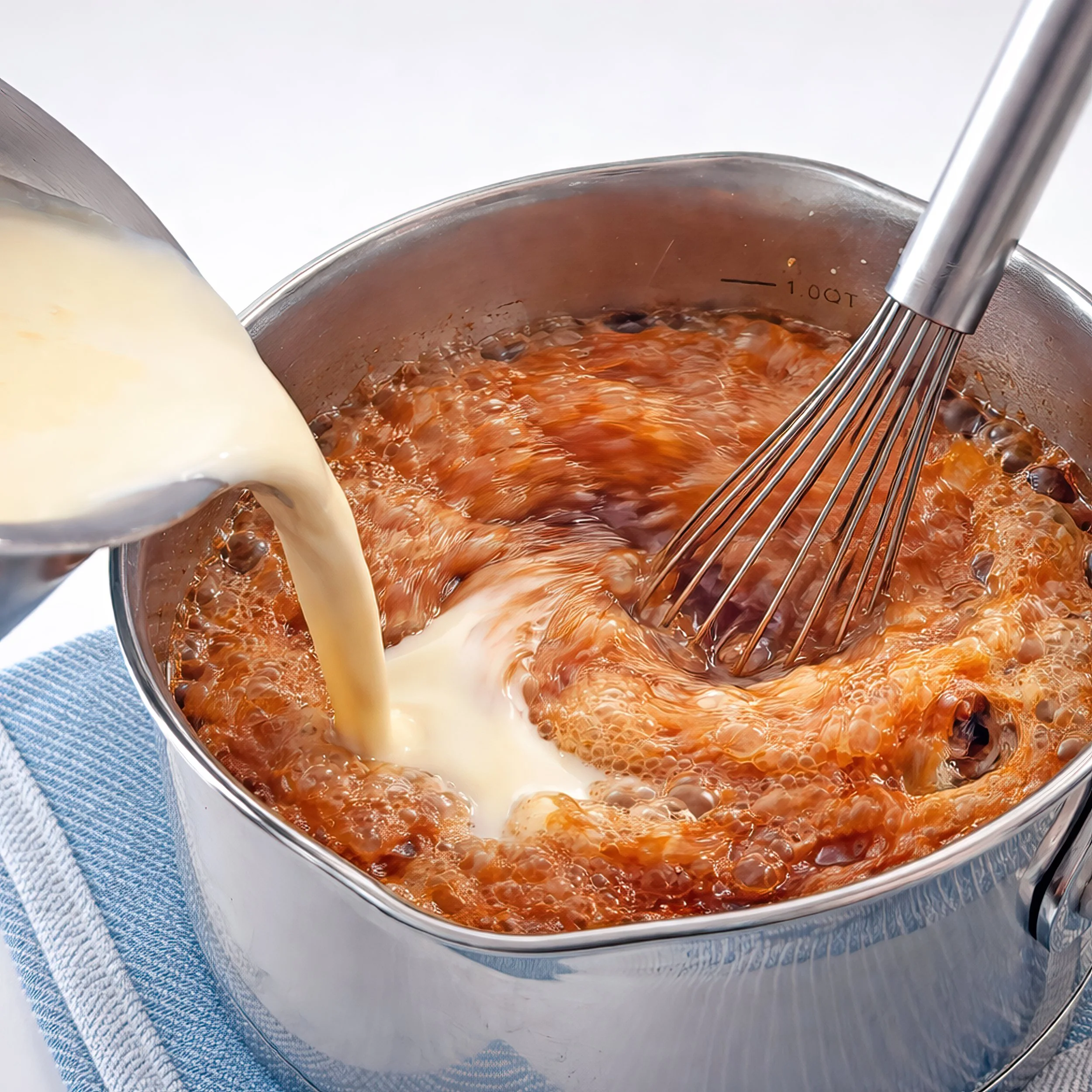
Add the Warmed Cream
Remove the pan from the heat. Slowly pour in the warmed cream while whisking steadily. The caramel will bubble vigorously at first — keep whisking until it smooths out completely and the mixture settles into a cohesive sauce before moving on.
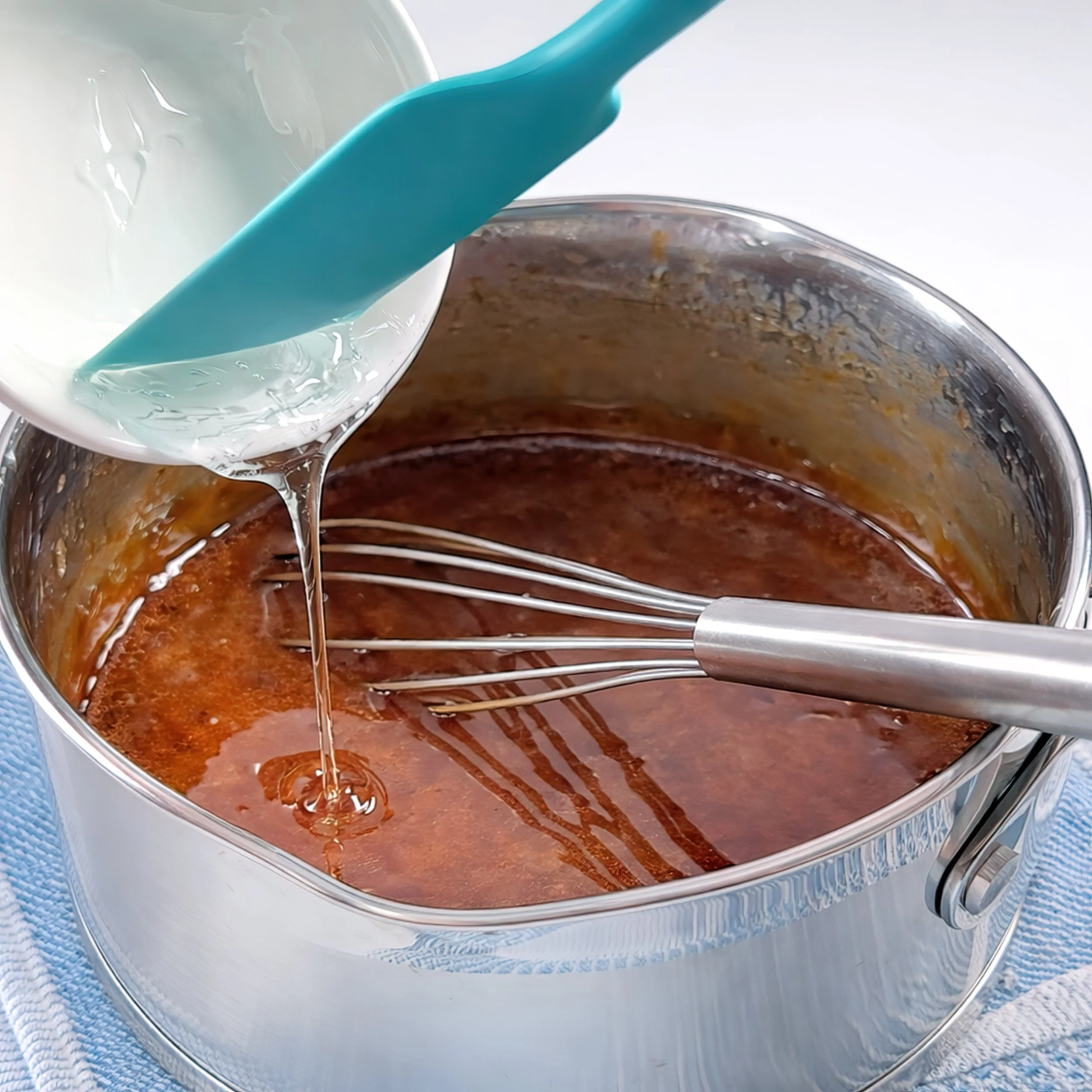
Stir in the Glucose
Add the glucose (or corn syrup) and whisk until fully incorporated. Return the pan to low heat. The caramel should look smooth and cohesive, with a slightly thicker, more elastic consistency beginning to develop.
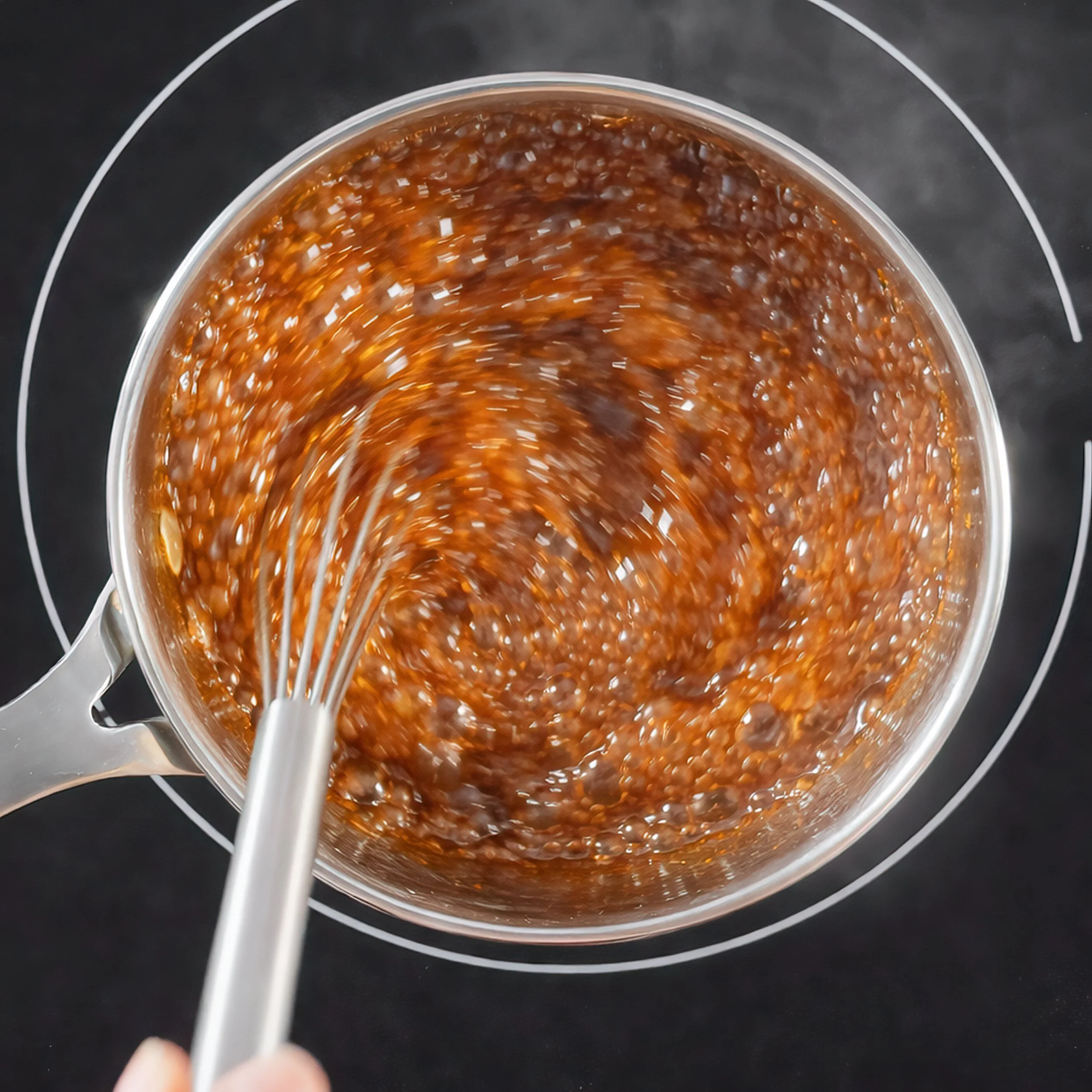
Return to Heat and Cook
Return the pan to low heat and cook, stirring occasionally, until the caramel bubbles evenly and thickens slightly.
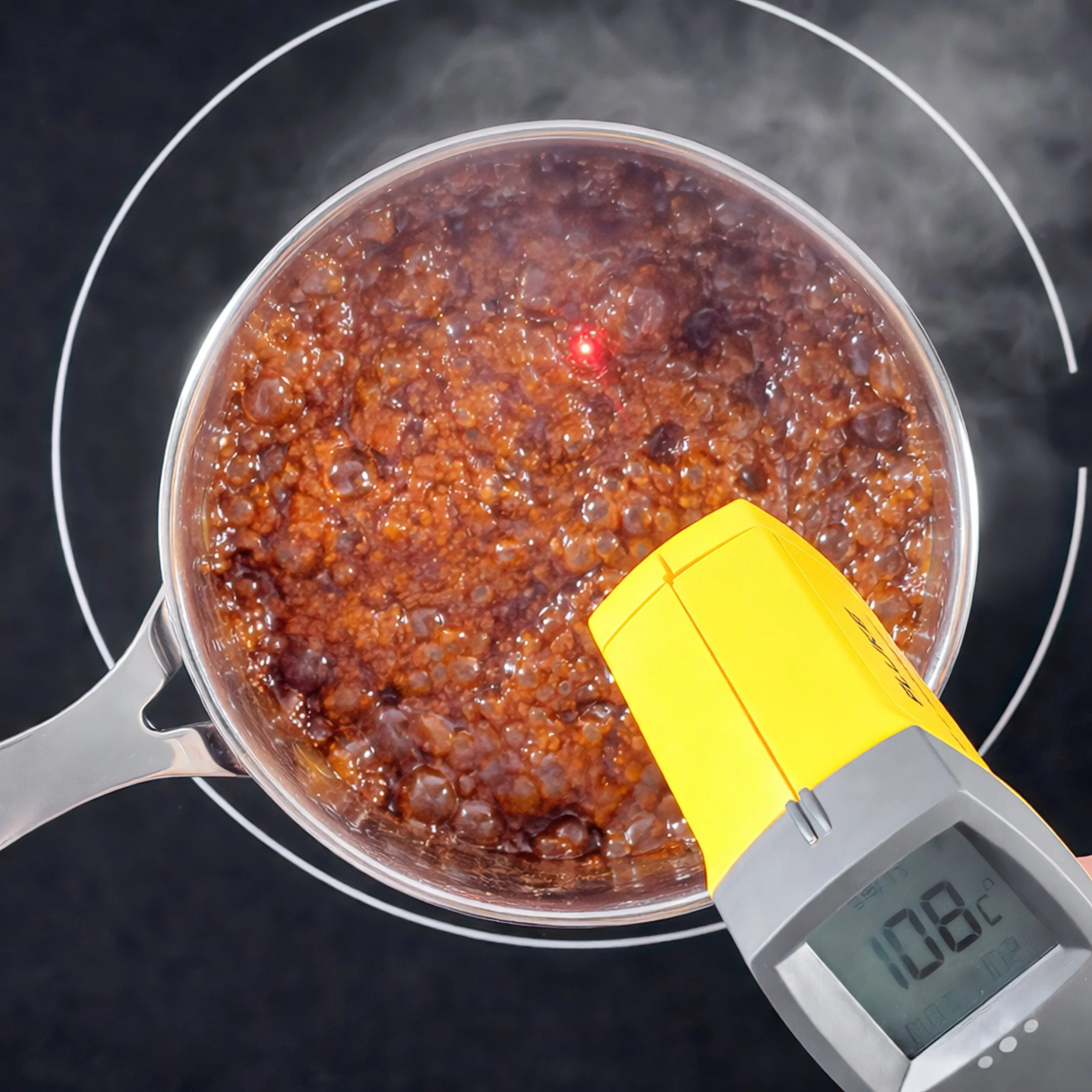
Cook to Final Temperature
Continue cooking until the caramel reaches 108–109°C (226–228°F). Once this temperature is reached, remove the pan from the heat immediately. This range produces a soft, sliceable caramel with structure, but pull.
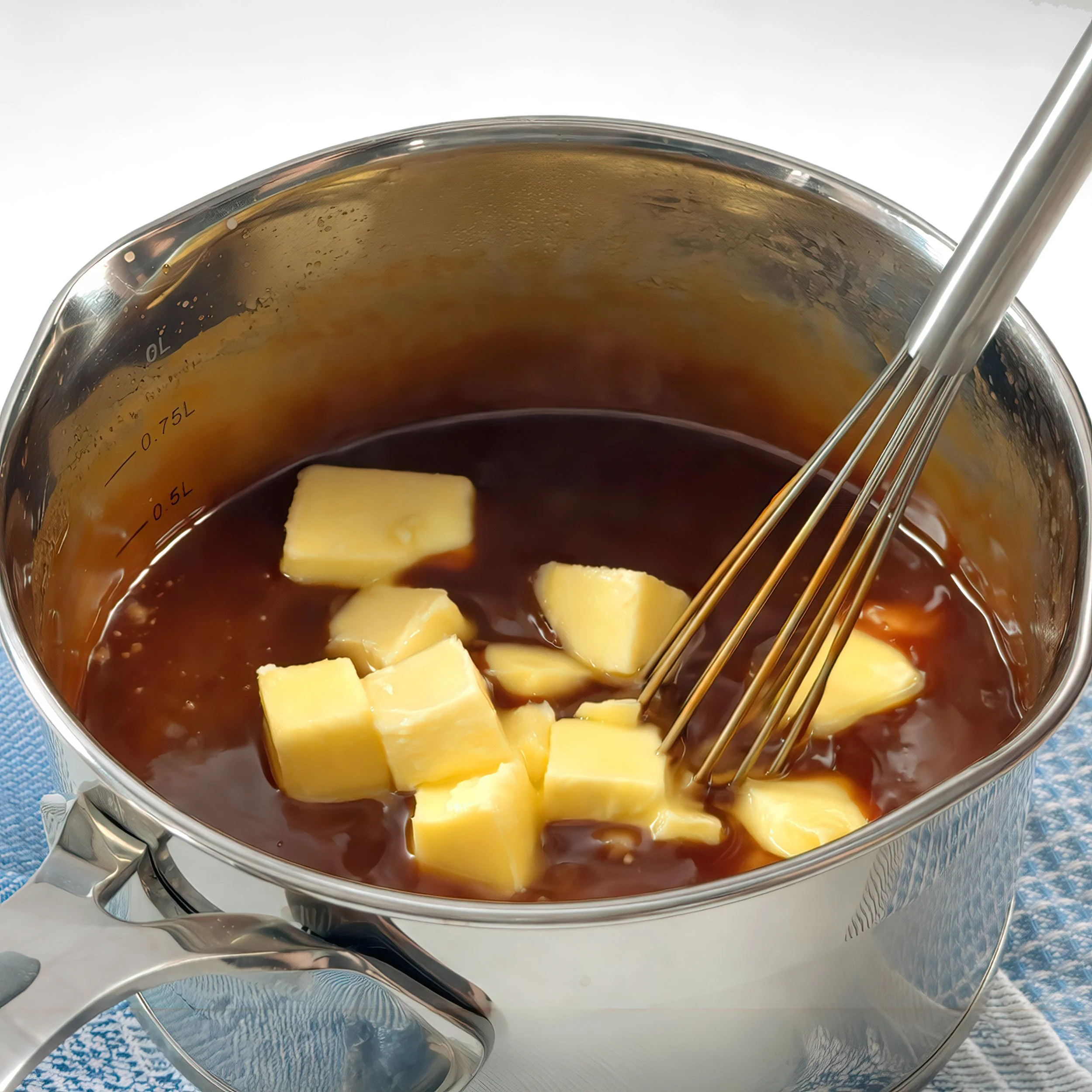
Add the Butter and Emulsify
Remove the pan from the heat and whisk in the butter until fully melted and incorporated. Continue stirring until the caramel is smooth, glossy, and unified.
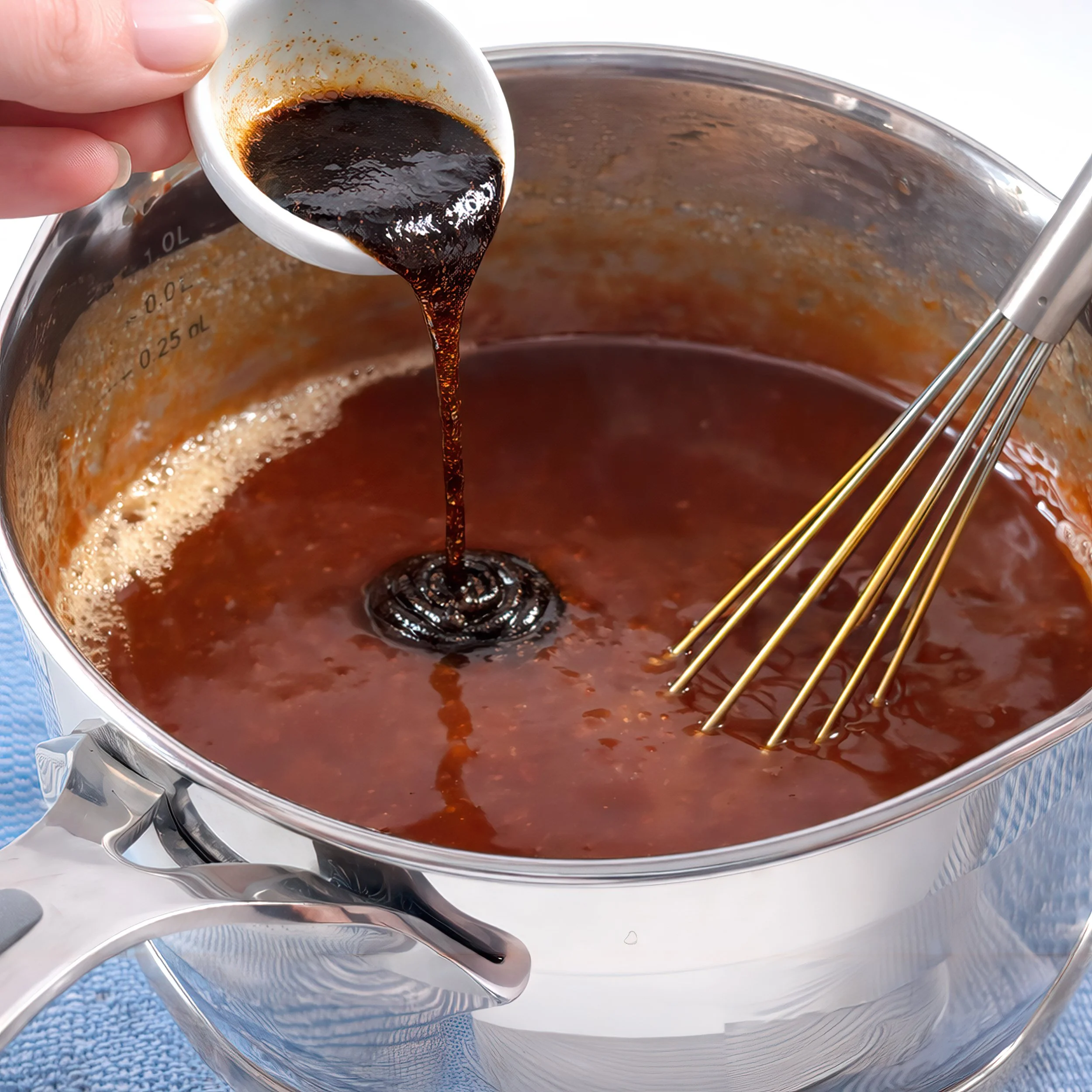
Add the Vanilla
Stir in the vanilla paste until fully incorporated.
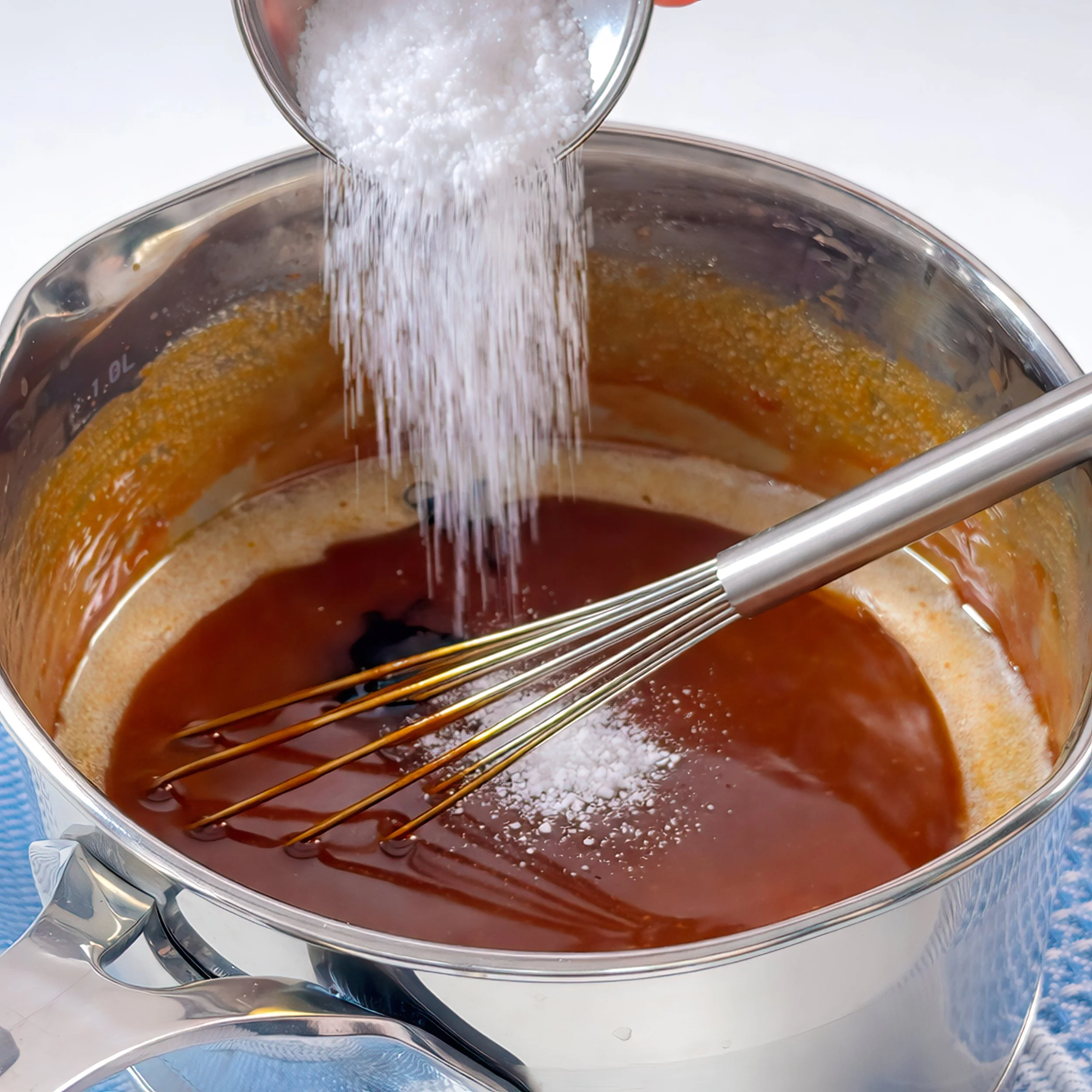
Add the Salt and Finish
Add the salt and continue stirring until the caramel looks completely uniform — smooth, glossy, and silky, with no streaks, graininess, or separation remaining.
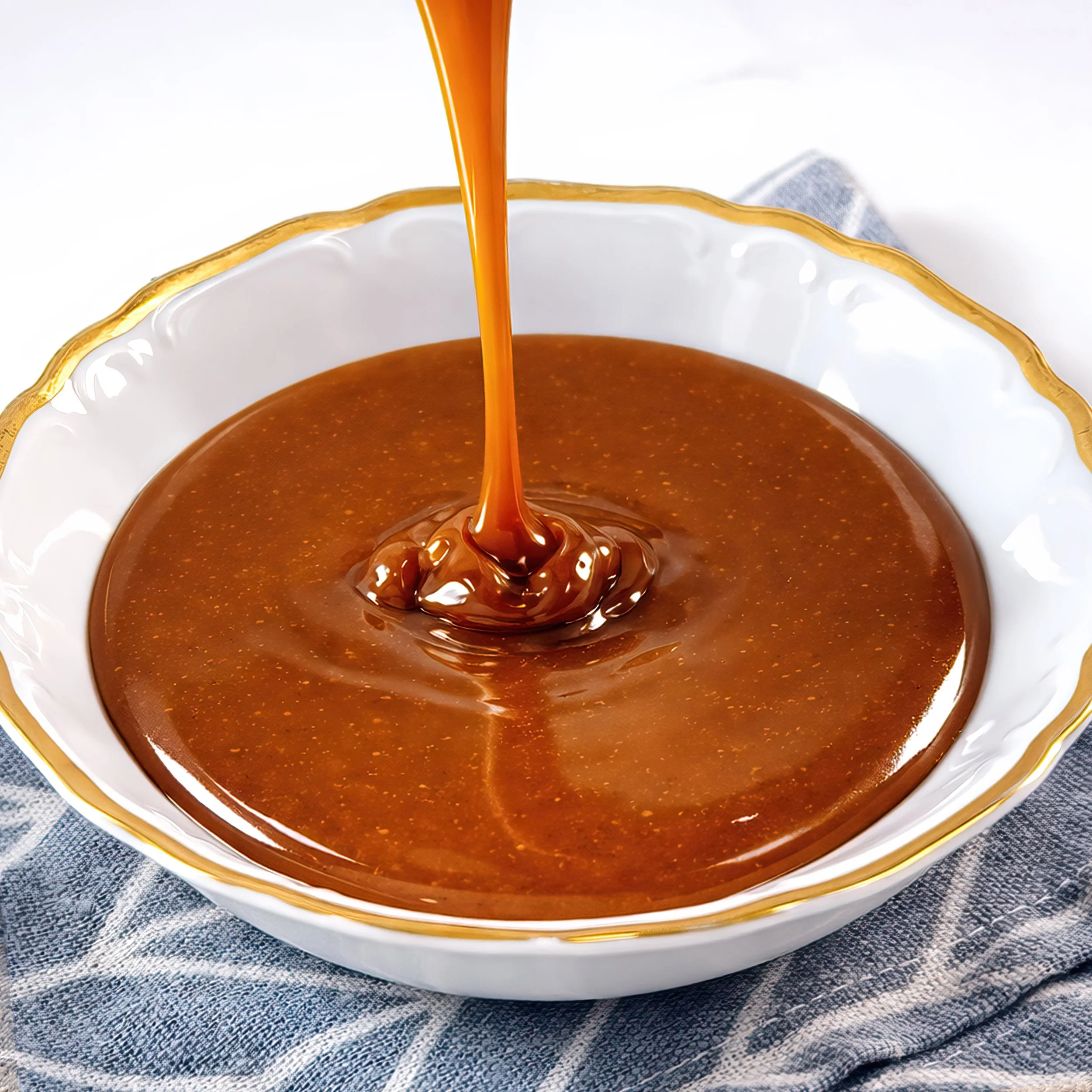
Finish and Cool
Transfer the caramel to a shallow container or bowl. Press a piece of plastic wrap directly onto the surface to prevent a skin from forming. Let cool and thicken at room temperature until pipeable. Use once thickened to your desired consistency.
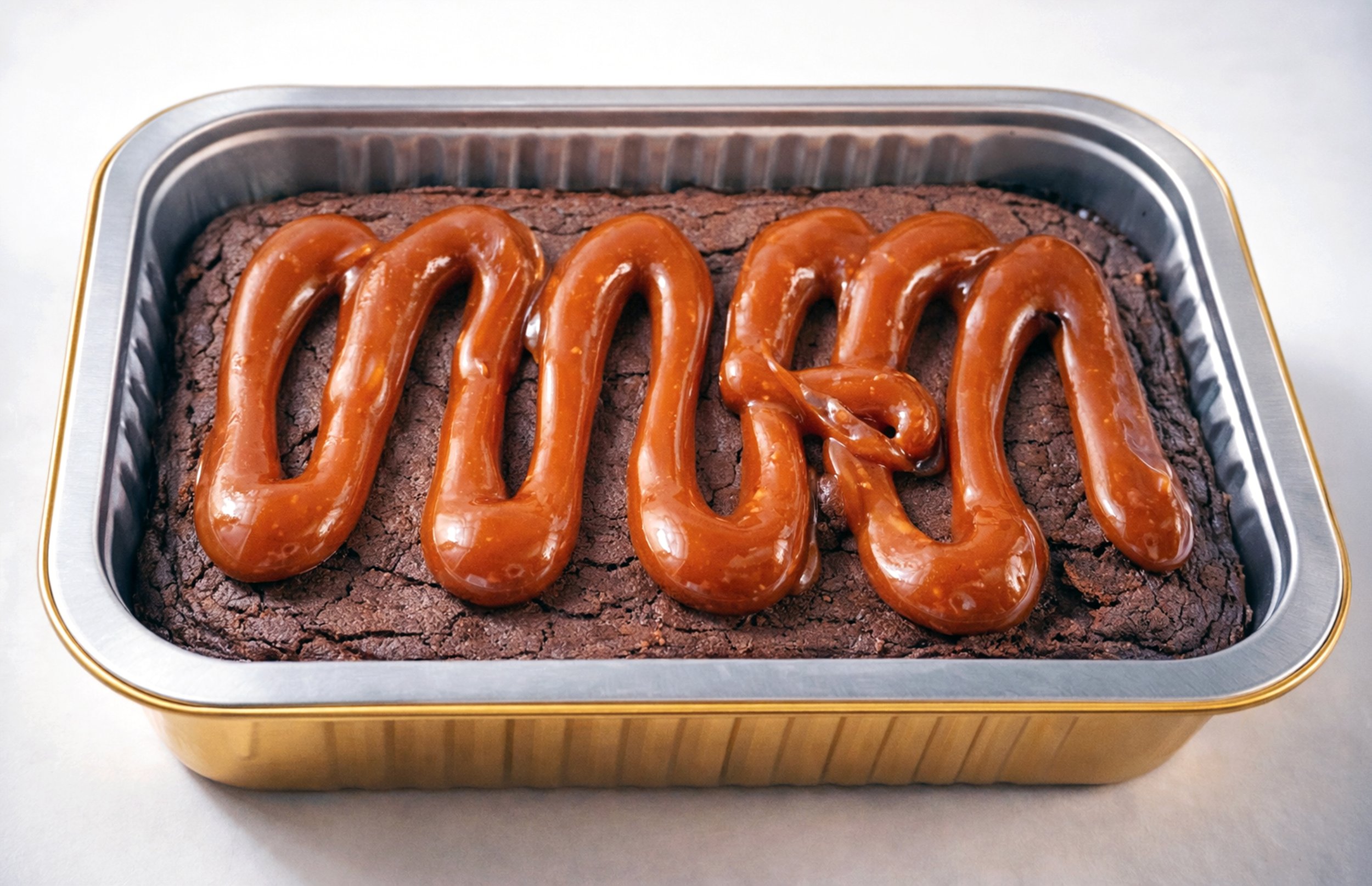
Layered onto brownie stacks. I piped it. I admired it. I smoothed it. I savored it.